Why you should replace your water heater's anode rod
Learn why replacing your water heater's anode rod is crucial for longevity and efficiency in Ashburn, VA.
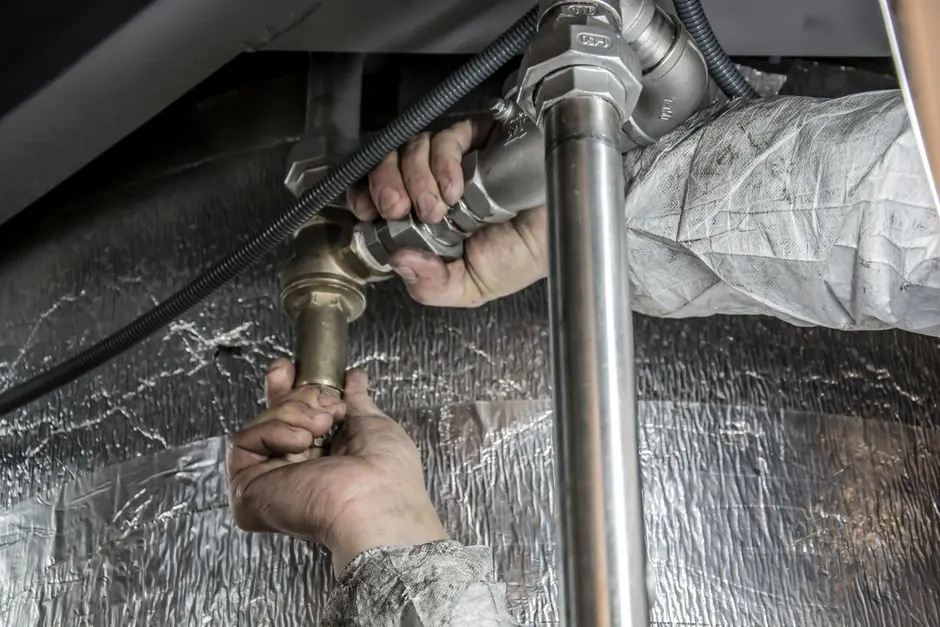
Replacing your water heater's anode rod is crucial for extending the lifespan of your water heater and preventing costly repairs. Anode rods are designed to protect your water heater from corrosion, and neglecting to replace them can lead to significant damage.
This article will explore the importance of anode rod replacement in Ashburn, how these rods protect your water heater, signs that indicate a need for replacement, the benefits of timely replacement, and when to call a professional.
Why is anode rod replacement essential for water heaters in Ashburn?
Anode rod replacement is essential for water heaters in Ashburn because it directly impacts the longevity and efficiency of your water heater. An anode rod is a sacrificial component made of magnesium or aluminum that attracts corrosive elements in the water, thus preventing them from corroding the tank itself. Without regular replacement, these rods can become depleted, leading to rust and eventual tank failure.
How anode rods protect water heaters in Ashburn VA
Anode rods protect water heaters in Ashburn VA by sacrificing themselves to corrosion. The electrochemical process involves the anode rod corroding instead of the steel tank, which prolongs the life of the water heater. Typically, anode rods should be inspected every 1-2 years and replaced every 3-5 years, depending on water quality and usage.
Signs you need to replace the anode rod in Ashburn
Signs you need to replace the anode rod in Ashburn include:
- Rusty or discolored water.
- Unusual odors coming from the hot water.
- Strange noises from the water heater.
- Visible corrosion on the anode rod itself.
If you notice any of these issues, it's crucial to act quickly to avoid further damage. Ignoring these signs can lead to costly repairs or even a complete water heater replacement.
Benefits of changing anode rods in Ashburn VA
The benefits of changing anode rods in Ashburn VA include:
- Increased lifespan of the water heater.
- Improved water quality.
- Reduced risk of leaks and tank failure.
- Lower maintenance costs over time.
By investing in regular anode rod replacements, homeowners can save money in the long run by avoiding major repairs and ensuring their water heater operates efficiently.
What to watch out for when replacing anode rods
When replacing anode rods, homeowners should watch out for:
- The type of anode rod suitable for their specific water heater model.
- Signs of internal tank corrosion that may indicate further issues.
- Proper installation to avoid leaks.
Consulting with a professional can help ensure the replacement process is done correctly and safely. If you need assistance, our Water Heater Repair Ashburn VA services are available to help.
When to call a professional
Homeowners should call a professional when they notice signs of corrosion, have difficulty accessing the anode rod, or are unsure about the replacement process. Professionals can provide a thorough inspection and recommend the best course of action. For residents in Ashburn, contacting Ashburn Water Heater Repair ensures expert service and advice.
Frequently Asked Questions
What does the anode rod do for my water heater in Ashburn VA? The anode rod prevents corrosion by sacrificing itself, thereby protecting the tank from rust and extending its lifespan.
Why is it critical to replace the anode rod in Ashburn? Replacing the anode rod is critical to prevent tank corrosion, which can lead to leaks and costly repairs.
When should I consider replacing my water heater's anode rod in Ashburn? Consider replacing the anode rod every 3-5 years or sooner if you notice signs of corrosion or rusty water.
Importance of anode rod maintenance for Ashburn residents Regular maintenance of the anode rod is vital for ensuring the longevity of your water heater, especially in areas with hard water.
Anode rod care tips for water heaters in Ashburn VA Inspect the anode rod annually and replace it as needed to maintain optimal performance and prevent tank damage.